The Best Season to Visit Lake Tahoe
Tahoe delivers in every season — the question is which look you’re after. Here’s how the four seasons change the shot.
Season at a glance
| Season | Conditions | Verdict |
|---|---|---|
| Jul–Sep | Warm, turquoise water | ⭐ Classic Tahoe |
| Late Sep–Oct | Golden aspens, fewer crowds | ⭐ Sweet spot |
| Dec–Mar | Snow, alpine drama | Winter wonderland |
| Apr–Jun | Snowmelt, full waterfalls | Green + rushing water |
Pick your season
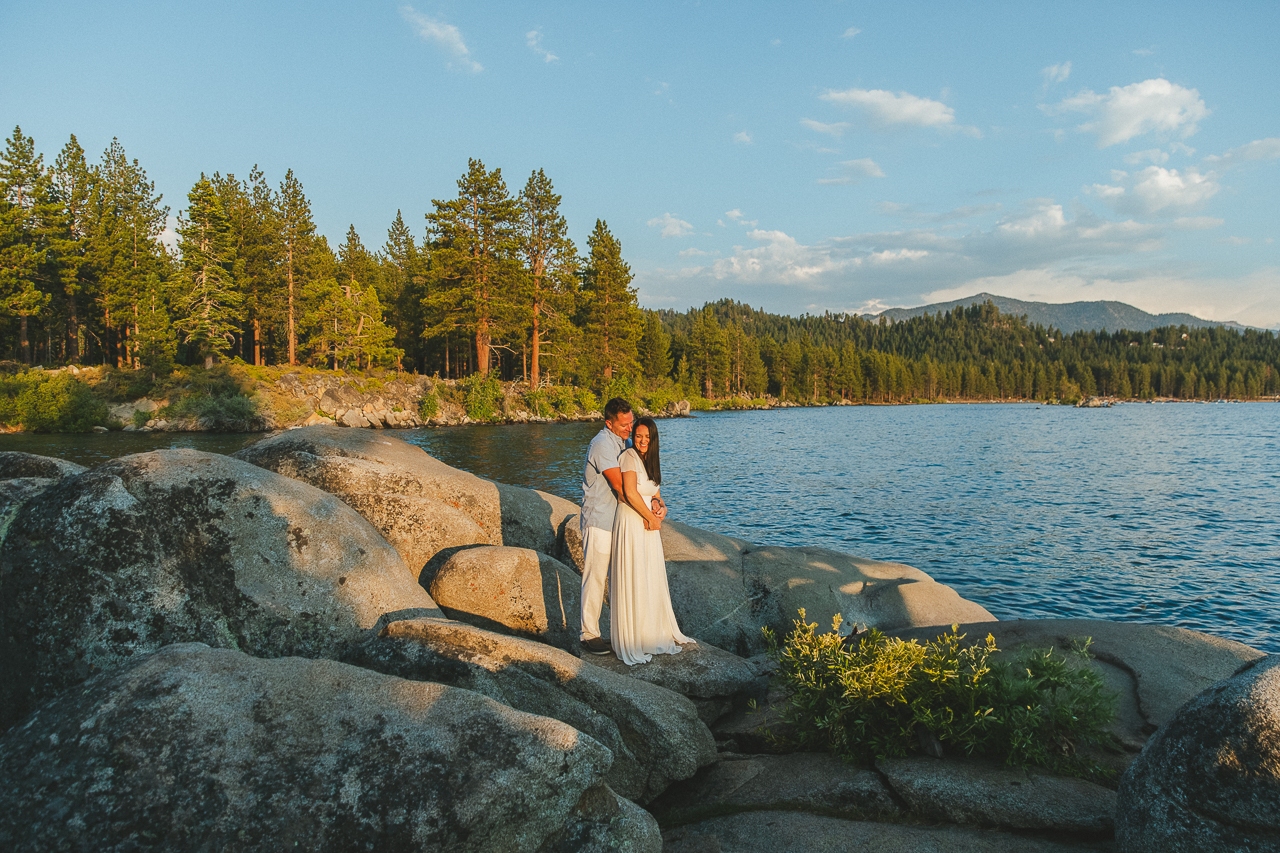
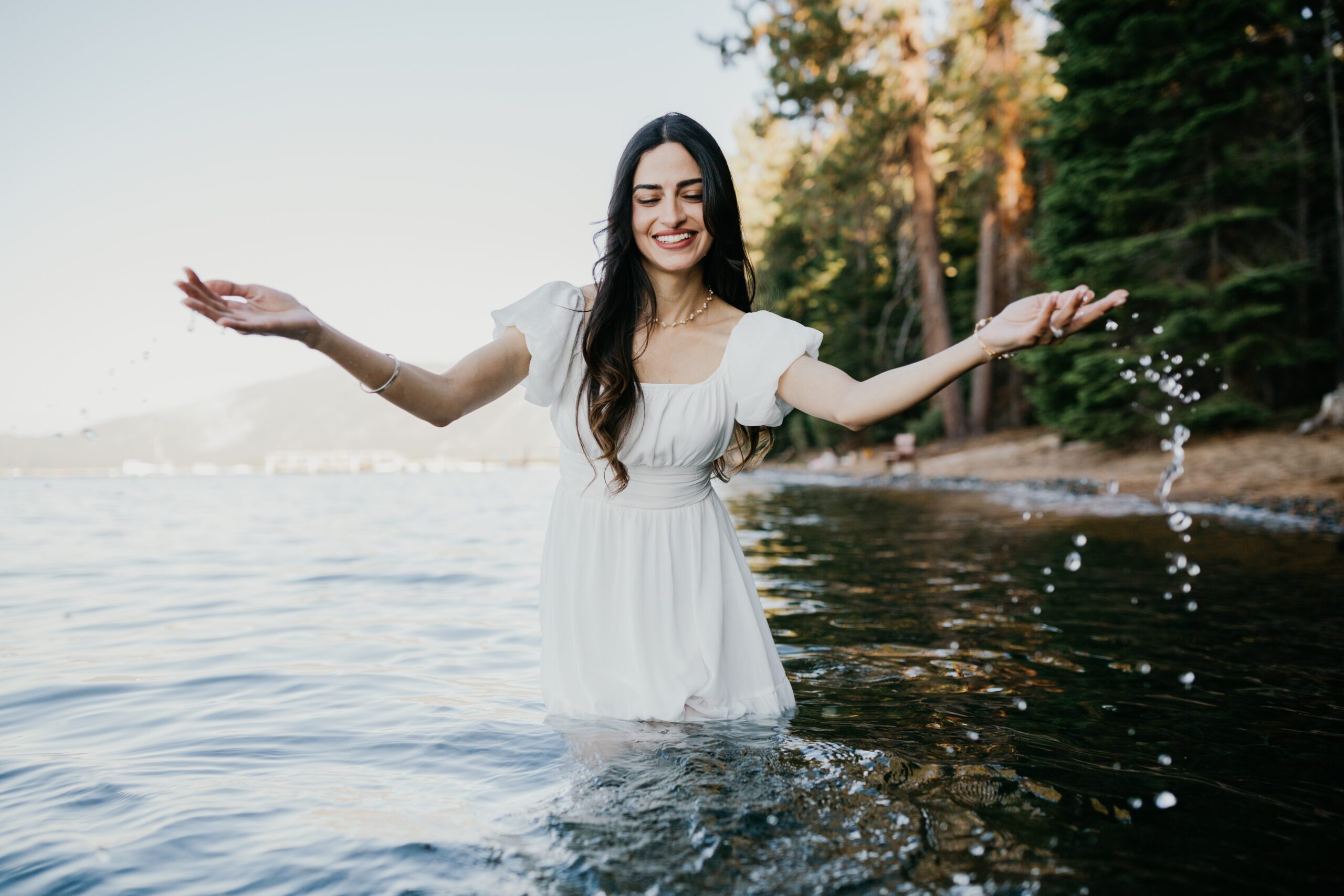
Summer is peak Tahoe — warm, swimmable, and that famous turquoise at its brightest, at the cost of crowds and packed parking lots.
Fall (late September–October) is the local sweet spot: golden aspens, crisp air, comfortable light, and far fewer people.
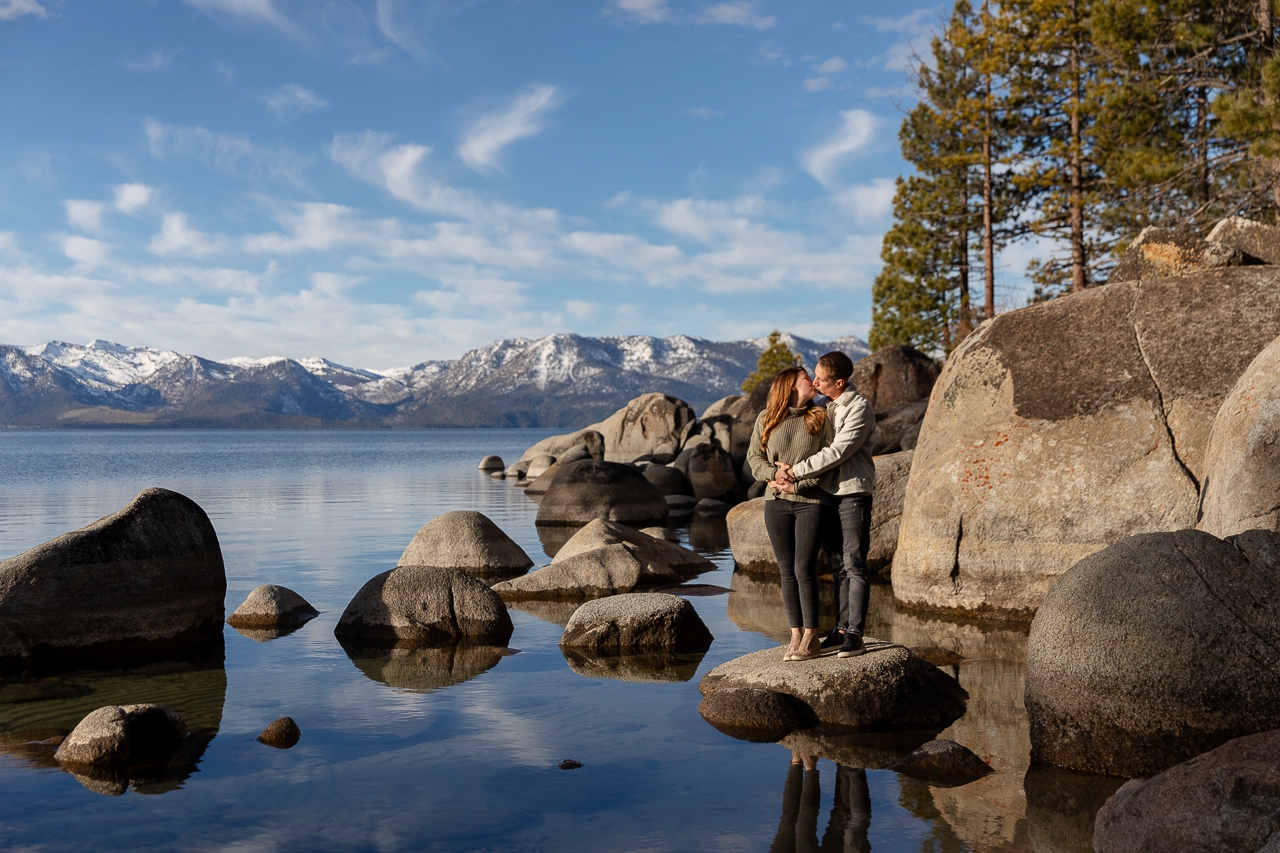
Winter blankets the peaks and shorelines in snow for dramatic alpine scenes. Spring brings roaring waterfalls from the snowmelt and fresh green.
Read the mountain light
💡 Local tip: At altitude the light is intense and the weather changes quickly. Mornings are calm — best for glassy reflections at Sand Harbor and Emerald Bay — while afternoon wind ripples the water. Layer up: it can be 30°F cooler at sunrise than midday.
| Time | What you get |
|---|---|
| Sunrise | Calm, glassy water; empty Emerald Bay |
| Golden hour | Warm light on granite + pines |
| Sunset | West-facing Bonsai Rock, Cave Rock |
Plan your shoot
👉 Book a Lake Tahoe Photographer →
👉 See Lake Tahoe Photography Packages →
👉 See 6 Lake Tahoe Photo Spots for Blue Water→
FAQ
When is the best time to visit Lake Tahoe? Summer (July–September) for the turquoise water, or fall (late September–October) for golden aspens and fewer crowds. Winter and spring each offer dramatic, different looks.
What’s the best time of day to shoot Tahoe? Sunrise for calm, glassy water and reflections at Emerald Bay and Sand Harbor; sunset for the west-facing spots like Bonsai Rock.