
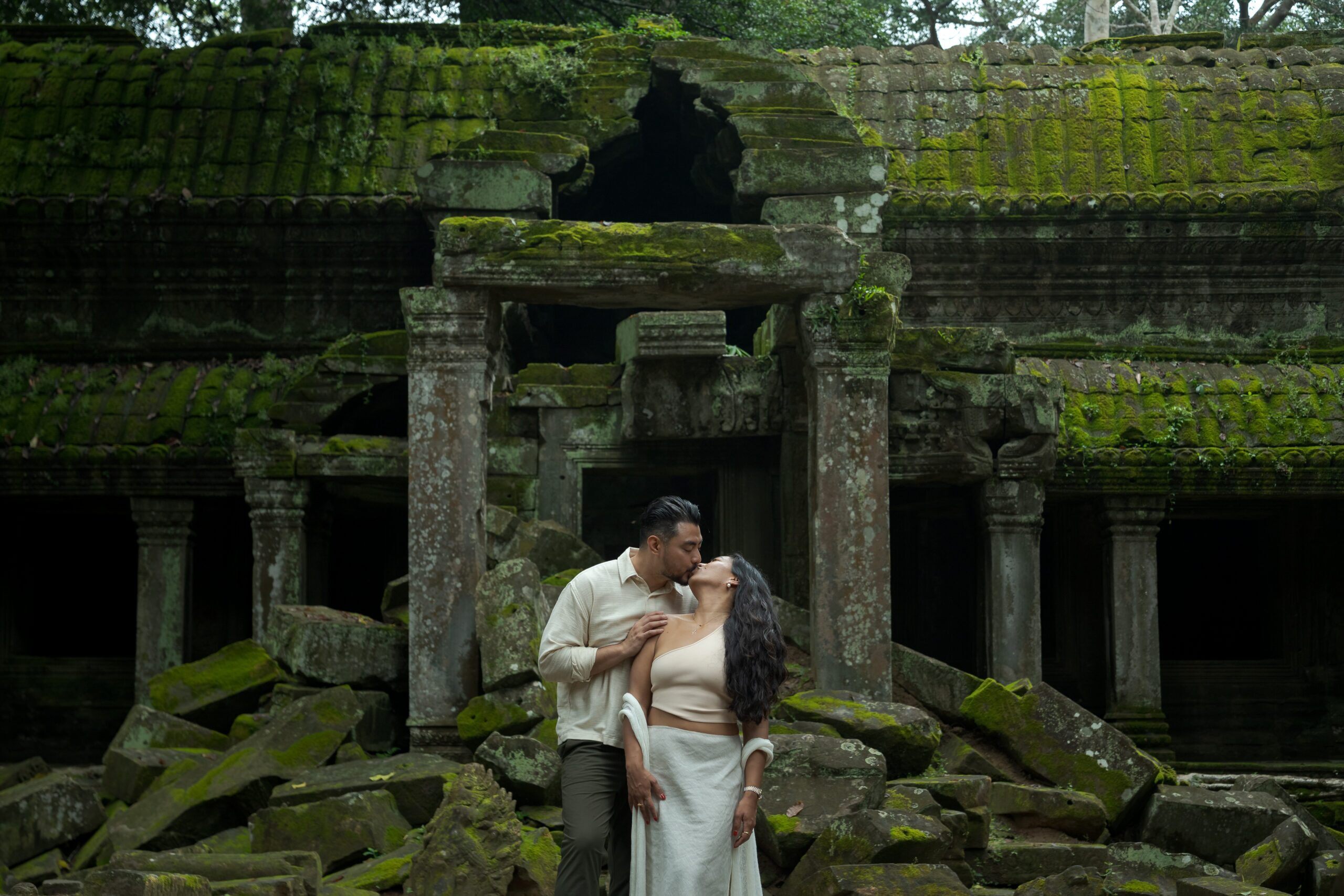
Angkor rewards a dry-season visit more than most destinations — clear skies mean reliable sunrises and better access to the remote temples. Here’s how to time it.
Season at a glance
| Season | Conditions | Verdict |
|---|---|---|
| Nov–Mar | Cool, dry, clear skies | ⭐ Best overall |
| Dec–Jan | Peak comfort, peak crowds | ⭐ Ideal, busiest |
| Apr–Jun | Very hot | Sunrise only |
| Jul–Oct | Wet, lush, muddy paths | Fewer crowds, flexible plans |
Pick your season
November to March is the clear best window — cooler temperatures (20–28°C), minimal rain, and reliable clear skies for sunrise photography. December and January are the most comfortable stretch, though also the busiest.
April–June gets genuinely hot; shoot at sunrise. The wet season (roughly July–October) brings lush greenery and thinner crowds, but muddy paths can limit access to remote temples like Banteay Srei and Beng Mealea.
Sunrise is the priority
💡 Local tip: Whatever the season, build your day around sunrise at Angkor Wat, then hit the outer temples (Ta Prohm, Bayon) early too, before the main crowd moves on from breakfast. A multi-day pass lets you spread temples across different lighting conditions rather than rushing everything into one hot midday. Planning a proposal among the ruins? See our proposal photography page.
| Time | What you get |
|---|---|
| 5 am–sunrise | Angkor Wat reflection, thinnest crowds |
| Early morning | Ta Prohm before day-trippers |
| Late afternoon | Bayon in low, raking light |
Plan your shoot
👉 Book an Angkor Wat Photographer →
👉 See Angkor Wat Photography Packages →
FAQ
When is the best time to visit Angkor Wat? November to March: cool, dry, and clear, with reliable sunrises. December–January is the most comfortable window, and also the busiest.
Is Angkor Wat worth visiting in the wet season? Yes, if you’re flexible. July–October brings lush green scenery and fewer visitors, though muddy paths can limit access to some remote temples.
